Korean–English keyboard · In preparation
Korean and English,without the pause.
Stop tracking which input mode you are in. Press the keys and
ChukChuk reads each word, then writes it in the right script.
Drag across the part you want to fix, then convert. Mac ⌃⌥Space · Windows Ctrl+Alt+Space
Why it matters
One line,five switches.
Even a short work message sends your hand back and forth to the Han/Eng key. ChukChuk takes over that round trip.
- Forget the input modeKorean words entered while the English layout is on become Hangul; English words stay put.
- Changed your mind? One tapThe brand key restores a just-converted word to the keys you pressed.
- Learns your habitsA word you restore on three consecutive occasions moves to the leave-as-is list.
Speed
You will neverfeel it wait.
0.42 µs per key on average: 0.0004% of the roughly 100 ms between a fast typist’s keystrokes.
- 0.42µsmean
- 0.38µsmedian
- 1.0µsp99
- 866,700keystrokes measured
Runs as soon as the engine arrives
WebAssembly runs slower than native code. This is the same engine, untouched.
Apple M4 Max, native release build, 866,700 keystrokes of unseen text fed one at a time. On phones, the delay you notice comes from the OS input round trip, not the engine.
Accuracy
About six missesper 10,000 words.
Measured on 137,621 words the engine had never seen: 99.94% word accuracy.
Method
- Sentences were drawn mechanically from open corpora that were never used to build the dictionary (Tatoeba, Common Voice, Chatbot_data, Question_pair).
- Each sentence became a key sequence fed to the engine one key at a time: Korean mode, English mode, mobile auto-capitalization, and Korean running into English.
- The data is split into development and test sets; the test set was run exactly once, at the end.
Known weak spots
Very short words with no context around them (to vs 새, go vs 해, so vs 내) can come out wrong. One tap on the brand key restores them.
Privacy
What you typestays on this device.
The ChukChuk keyboard cannot reach the internet at all. Conversion starts and ends on the device.
This site sets zero cookies and runs zero visitor analytics. The demo engine executes inside your own browser tab. Vocabulary updates are fetched by the main app, never the keyboard, as signed files. Those requests carry no user data. Full privacy policy
Customize
Shaped toyour hands.
Key height, spacing, one-handed mode, layouts and themes, previewed as you change them.
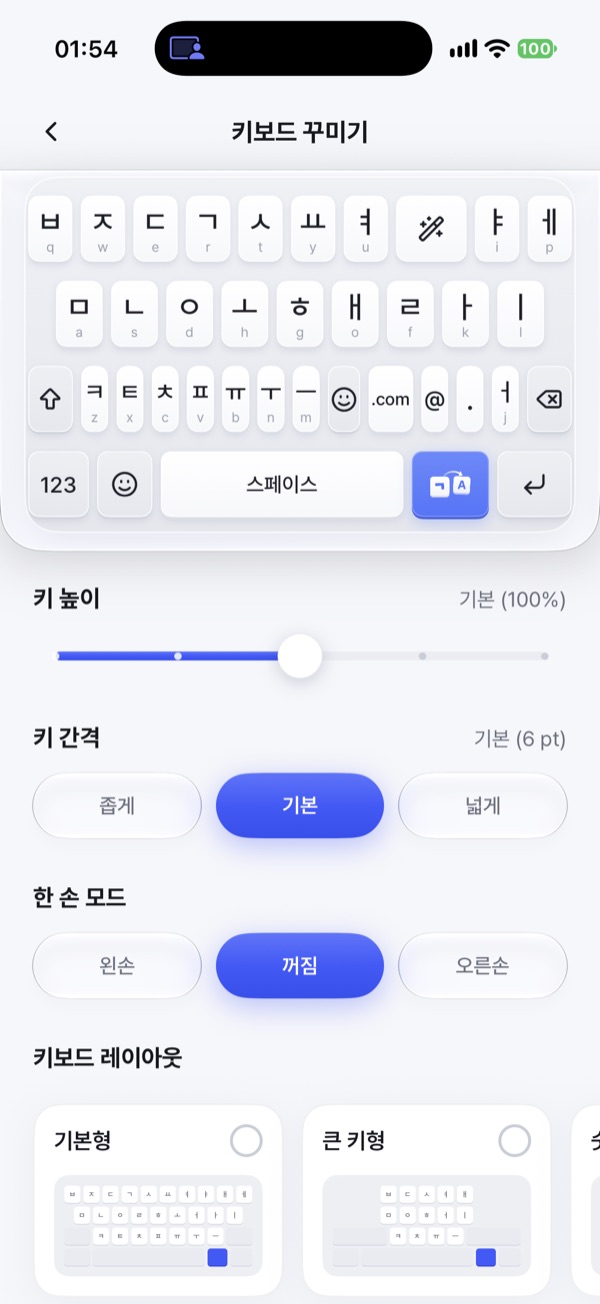
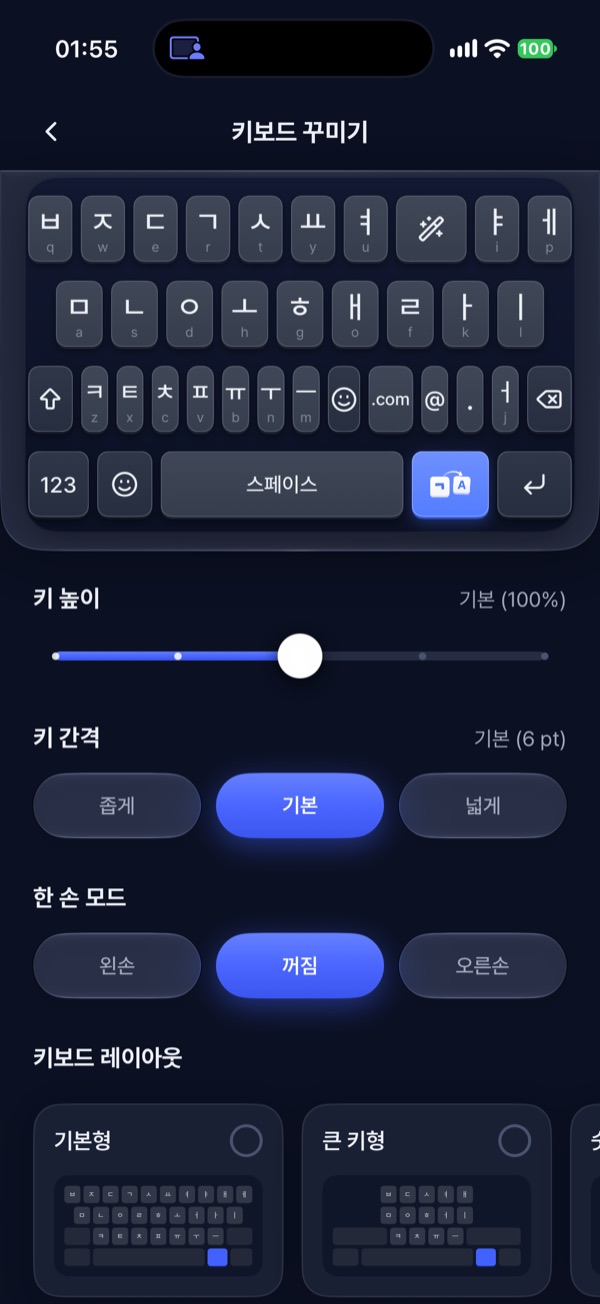
- LayoutsStandard · Large keys · build your own
- Emoji panelinside the keyboard
- Word listsleave as is · always convert
- Sound & hapticson or off
Vocabulary updates
New words appear,the dictionary grows.
Slang and new product names arrive as signed vocabulary packs. No reinstall needed.
Platforms
Five kinds of devices,one ChukChuk.
Every platform runs the same engine with the same design.
- In preparation
iOS
iPhone keyboard
Auto-switch · revert · customize
- In preparation
Android
Input method (IME)
Auto-switch · revert · customize
- In preparation
macOS
Menu bar app
Convert selection ⌃⌥Space · per-app off
- In preparation
Windows
TSF input method
Auto-switch · convert selection
- In preparation
Linux
IBus engine
Auto-switch · .deb package
Not released yet. Store links will be added here on the day they go live.
FAQ
Questions,answered ahead.
Do I really never need the Han/Eng key?
Almost never. Enter Korean with the English layout active and ChukChuk reads each word and writes it in Hangul, leaving English words alone. The demo here runs the identical engine that ships inside the apps, so try it yourself.
Where does 99.94% come from?
From 137,621 words of open sentences that were never used to build the dictionary, fed to the engine one key at a time. Development and test sets are kept apart, and the test set was run once at the end. The conditions and tables are in the accuracy section of the home page.
Does anything I type leave my device?
No. The keyboards and input methods have no internet capability, and every decision happens on the device. Learned words and stats are stored locally only.
What if it converts something I did not want?
Tap the brand key (where Han/Eng used to sit) and the word is restored to the keys you pressed. Undo one particular word on three consecutive occasions and it moves to the leave-as-is list.
When and where can I get it?
All five platforms are being prepared. Dates will be posted on the download page, and launch-alert subscribers get one email.
Open data
Data and tools we build on
The ChukChuk dictionary holds only statistics derived from open data licensed for commercial use. No original sentences ship in the app.
- TatoebaCC BY 2.0 FRWord statistics derived in part from Korean and English sentences by the Tatoeba contributors.
- Naver Sentiment Movie Corpus (NSMC)CC0 1.0by Lucy Park (e9t). Syllable statistics and word frequencies.
- Mozilla Common Voice sentence textCC0 1.0Korean and English sentence text.
- Chatbot_data · Question_pairMITCopyright (c) 2018 Youngsook Song.
- open-korean-textApache-2.0Noun, verb, adjective and other word lists.
- SCOWLSCOWL licenseCopyright 2000-2018 by Kevin Atkinson. English word list.
- Google Books Ngram ViewerCC BY 3.0English word frequencies.
- 국토교통부 법정동코드공공데이터포털Korean place names (data.go.kr).
- PretendardSIL OFL 1.1Typeface. Copyright (c) 2021 Kil Hyung-jin.
- LucideISCIcons.